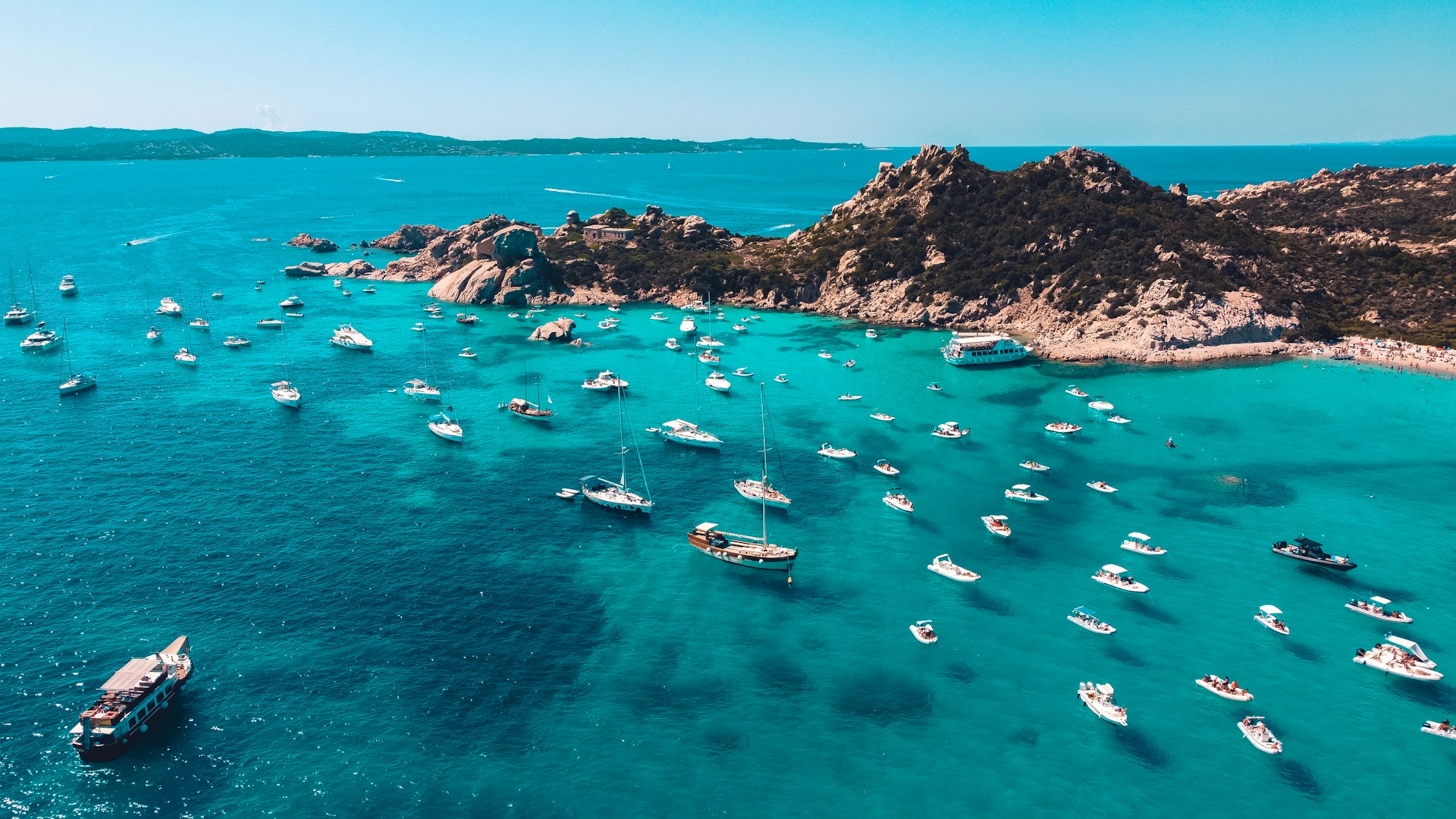
Sardinia may officially be part of Italy, but it has always moved to its own distinct rhythm. This autonomous island is a study in contrasts, where the high-octane glamour of the Costa Smeralda sits comfortably alongside quiet, inland villages where life has barely changed in centuries. While the 1,150 miles of coastline—famed for some of Europe’s most breathtaking beaches—is the main draw for many, the island’s rugged, untamed interior tells a deeper story. From the bustling, historic streets of the capital, Cagliari, to protected marshes home to pink flamingos and rare albino donkeys, Sardinia offers a rare blend of natural wonder and ancient heritage.
Relics of the Bronze and Roman Ages
For those who enjoy unearthing the past, the island is effectively an open-air museum. Tucked away on a narrow peninsula in the south lie the remains of Nora. Originally a Nuraghic and Punic settlement, it flourished into a Roman powerhouse of 10,000 people by the 5th century. Today, visitors can walk through the shells of private villas, thermal baths, and a remarkably intact theatre. While a shuttle from Pula makes it accessible, hiring a local guide is the best way to grasp the sheer historical weight of the site.
The island’s landscape is also famously dotted with nuraghes—mysterious, beehive-shaped stone towers dating back to 1,500 BC. These Bronze Age strongholds, unique to Sardinia, served as both defensive forts and homes for tribal leaders. While thousands of these structures remain, the UNESCO-listed Nuraxi Nuraghe in Barumini and Nuraghe La Prisgiona at Arzachena are the definitive must-sees for any history enthusiast.
Marine Life and Island Escapes
The north-eastern waters offer a different kind of encounter, specifically with a resident pod of bottlenose dolphins. Drawn to the area by a fish farm near the island of Figarolo, these cetaceans are now a permanent fixture. Local boat tours, often staffed by marine biologists, provide an excellent chance of a sighting, with many excursions allowing for a snorkel in the surrounding turquoise shallows.
Further west, the uninhabited island of Asinara tells a more somber, yet fascinating, story. Once dubbed “Italy’s Alcatraz,” it served as a high-security prison for POWs and mafia members. Since 1997, however, it has been reclaimed by nature. Now a national park, the island is a sanctuary for hikers, cyclists, and the famous free-roaming albino donkeys. With private cars banned, visitors explore via tourist trains or pre-booked Jeep tours, making for a peaceful, if slightly surreal, day trip.
Active Exploration and Coastal Luxury
If you prefer to explore on two wheels, the Oasi Biderosa offers a more active pace. This protected reserve is a network of five distinct coves connected by paths that wind through pine forests and fragrant olive groves. It is common to spot flamingos in the lagoons as you ride. Given the environmental protections, car access is strictly limited and must be booked in advance, though electric mountain bikes are a popular way to navigate the terrain without the sweat.
As the island continues to evolve, its hospitality scene is seeing a significant luxury injection. This spring, Marriott International is set to debut the W Sardinia Poltu Quatu on the celebrated Costa Smeralda. Nestled between Porto Cervo and Baia Sardinia, the resort features 154 rooms and suites—some with private pools—designed in collaboration with local artisans to maintain an authentic Sardinian feel. With a seafood-focused restaurant and a beach club accessible by boat arriving later in the summer, it represents the modern, sophisticated face of an island that remains, at its heart, timeless.