In a world where the pace of life feels relentlessly frantic, finding a moment to stand still has become a genuine luxury. For many, a simple bath offers a slice of tranquillity, a sentiment I have carried since a childhood spent in a house with only a bath, where showers were a novelty reserved for summer caravan holidays.
Fast forward to adulthood, and soaking in a tub became my primary method of decompressing. I have been known to spend hours submerged, refilling the hot water to the likely horror of my utility provider. However, a move back to Manchester following a stint in West Yorkshire during the pandemic resulted in a tactical error: my partner and I moved into a house without a bath. While it might sound dramatic, given the current economic climate, buying a property without a tub felt like a catastrophic oversight.
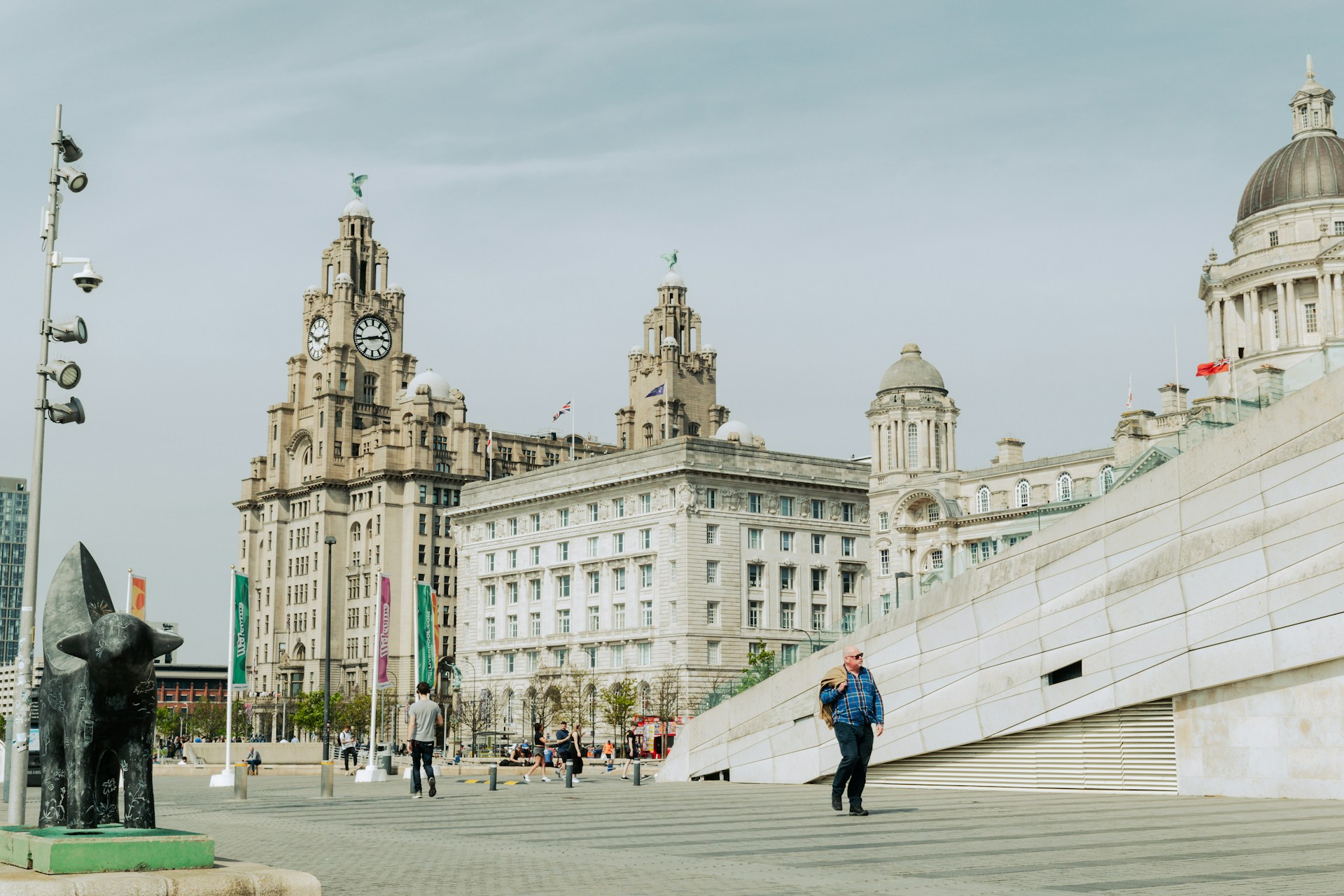
Seeking Sanctuary in Liverpool
For nearly a decade, I had toyed with the idea of booking a spa treatment at Lush. I first became aware of their spa offerings in 2017 when the Cardiff branch relocated to a massive unit in St. David’s Centre. Not keen on a four-hour train journey to Wales just to get clean, I discovered that Lush Liverpool—the brand’s largest store in the UK, dwarfing even the Oxford Street flagship—offered the perfect solution.
The treatment that caught my eye was ‘Book a Bath: Sticky Dates’. At £40 for a thirty-minute dip, skeptics might raise an eyebrow, yet frankly, it was worth every penny. I had reached a point of desperation where booking a hotel room solely for the en-suite facilities seemed logical; this was a far more luxurious and cost-effective alternative.
Upon arrival at the Liverpool store, the experience was seamless. After navigating two flights of stairs and completing the necessary paperwork with a genuinely friendly receptionist, I was introduced to my therapist. She walked me through the treatment plan—perhaps slightly excessive for a bath, but thorough—and introduced the products.
The room itself was a haven. The water temperature was impeccable, and while I am accustomed to bathing with a backdrop of podcasts or television, the curated soundtrack of folk music and birdsong provided a welcome shift in atmosphere. The treatment utilised the ‘Sticky Dates’ range, a scent profile that has recently usurped ‘Honey I Washed the Kids’ as my favourite. Originally an Eid exclusive, its popularity secured its permanent status, characterised by deep, non-cloying notes of caramel, vanilla, and sandalwood. It left me in a state of Zen I hadn’t felt in years.
A Broader Appetite for Travel
While my personal quest for relaxation took me only as far as Merseyside, the wider travel industry is gearing up for a significant resurgence in 2026, with international markets showing robust demand for escapism. Just as I sought a break from the daily grind, millions of global travellers are turning their gaze towards Europe, with Germany positioned to capitalise on this renewed wanderlust.
Despite a complex global backdrop involving geopolitical tensions and trade conflicts, the outlook for German incoming tourism in 2026 appears increasingly optimistic. According to the German National Tourist Board (DZT), the sector is poised for renewed growth following a year of improving business sentiment throughout 2025.
Germany’s Competitive Edge
Petra Hedorfer, CEO of the DZT, notes that while the framework for global travel remains volatile, Germany continues to compete at the highest level. “According to UN Tourism data, Germany started 2025 as the eighth most popular travel destination worldwide,” Hedorfer explains. “For 2026, we anticipate a 3.2 per cent increase in overnight stays by international guests compared to the previous year.”
The country’s enduring appeal lies in its strong positioning across city breaks and cultural tourism, alongside unique natural landscapes. Crucially, in an era where consumers are watching their wallets—much like my own decision to choose a spa treatment over a hotel stay—Germany’s favourable value-for-money ratio provides a solid foundation for international competition.
Industry Optimism and Projections
The broader metrics support this positive trajectory. UN Tourism forecasts global growth of three to five per cent for 2026. Closer to home, the European Travel Commission (ETC) reported in late 2025 that 73 per cent of Europeans intended to travel within the continent in the subsequent six months, a figure that remains stable. Furthermore, demand from overseas markets appears steady for the first third of 2026.
This confidence is echoed by industry leaders. The DZT’s Travel Industry Expert Panel, which surveys around 250 key accounts and CEOs, revealed a distinct upward trend at the turn of the year. By the fourth quarter of 2025, 61 per cent of experts rated their current business situation regarding travel to Germany as positive—an eight-point jump from the previous quarter. Looking ahead, 57 per cent expect this positive momentum to continue through to May 2026.
Recovering from a Year of Consolidation
The anticipated growth for 2026 follows a mixed year. Preliminary figures from the Federal Statistical Office show that 2025 concluded with 83.8 million international overnight stays. While December 2025 saw a healthy 4.0 per cent rise (6.7 million stays), the year overall finished 1.8 per cent down compared to 2024.
Analysts attribute this slight annual dip to statistical base effects; 2024 was an exceptional year for Germany, buoyed by the European Football Championship and a series of major concert tours, creating a high bar for comparison. Additionally, 2025 faced headwinds from dampening purchasing power due to global trade disputes and a sluggish recovery in the business travel sector. However, with the fundamentals strong and sentiment rising, the industry seems ready to turn a corner.